Space Nova Vacant Possession and Completion: How to Interpret 2028 Statements
When a developer publishes 2028 for vacant possession or completion, it is tempting to treat it like a single, fixed finish line. For buyers, the more useful approach is to treat those words as different milestones that can land at different moments, or be described differently across marketing materials.
Space Nova makes this distinction relevant because the project’s official materials describe expected vacant possession / TOP as 31 Dec 2028, while some pages also describe completion as 2028. Those two phrases can look interchangeable at first glance, but they are not. If you are planning operations, hiring timelines, cash flow, or the handover of existing premises, you want clarity on what “2028” really means for you.
Below is how I would interpret the 2028 statements for Space Nova, what to verify in the official documents, and what to ask before you commit.
Start with what Space Nova is, because it frames the timeline
A timeline only becomes meaningful when you understand what kind of asset you are buying.
Space Nova is a freehold B1 clean industrial development at 21 New Industrial Road, Singapore 536208, in the Tai Seng/Bartley area. The project is described as a 7-storey strata industrial estate with 47 units, sitting on a site area of 36,257 sq ft (3,368.4 sqm). The developer is JVA NIR Pte Ltd, and marketing is handled by PropNex Realty Pte Ltd on the official site.
Why does that matter for 2028 interpretation? Because industrial strata projects often have build sequencing that affects each unit differently, even when a target TOP is shared at the project level. Space Nova also publishes details that hint at operational realities, like partial ramp-up access and connectivity to major roads, plus its proximity to Bartley and Tai Seng MRT and access to the KPE and PIE. Those factors reinforce that “completion” is not only about a building being structurally done. It is also about systems being commissioned and each unit being deliverable as intended for use.
Vacant possession / TOP versus completion, why the wording can shift
Let’s anchor the key points that Space Nova’s official website states.
The official project information lists expected vacant possession / TOP as 31 Dec 2028. At the same time, some pages also describe completion as 2028.
Here is the practical way to read that:
- Vacant possession / TOP is a more specific milestone with a date attached, at least in the published statement (31 Dec 2028).
- “Completion” being described as 2028 suggests a broader or less precise timeframe, possibly because different project updates or pages compress details into a calendar year rather than a specific last day.
In a marketing brochure context, it is common to see “completion” used in a lighter way, then a tighter “vacant possession / TOP” figure shown elsewhere. The presence of both phrases on official pages is not automatically a red flag. It is a signal that you should confirm the exact language that will appear in the contractual documents you receive at purchase.
If you only remember one thing from this article, make it this: treat “completion 2028” as an estimate, and treat “vacant possession / TOP 31 Dec 2028” as the more concrete target that deserves direct verification in your documents.
What you should ask, specifically, when the target is 2028
Your goal is not to get a generic reply like “it will be done in 2028.” You want to reduce ambiguity around delivery and usability. For Space Nova, the official site also makes clear that some features are “subject to final approved plans,” like private attached toilets within each unit (subject to final approved plans), and that selected adjoining units may be combined subject to availability and approval. That kind of wording usually pairs with build-phase variability. So when you hear “2028,” it is smart to dig into how “approved plans” and “subject to” language might affect final readiness.
When you speak to the sales team or review the brochure set they provide, ask questions that tie back to delivery outcomes, not just the calendar Space Nova 21 New Industrial Road year:
- If expected vacant possession / TOP is stated as 31 Dec 2028, does the documentation use that exact phrasing, or does it describe a different milestone date for delivery?
- What does the project define as “completion” in the context of its publications, and how is it different from TOP or vacant possession?
- For unit-specific features that are stated as “subject to final approved plans” (for example, the private attached toilets), how might that affect your expected fit-out readiness at handover?
- If you are considering adjoining unit combination, what timing applies, given that it is subject to availability and approval?
- On the official pricing page, the ranges appear partially masked and the site asks you to register for the brochure, price guide, and balance units, so what specific documents are provided for your viewing and purchase decision, including the latest project update that mentions 2028?
A good answer here is detailed and consistent across documents you can actually see.
Use Space Nova’s official materials like a checklist, not a brochure only
One reason investors get burned by “timeline” statements is that they read the marketing version and ignore the operational version. With Space Nova, the official website points you toward a set of materials you should treat as your baseline dataset before deciding.
On the official site, Space Nova provides an e-brochure and materials including floor plans for all storeys, the unit distribution chart, technical specifications, facilities, and connectivity information. There is also a site plan, a pricing page, and contact and booking options for a viewing appointment. The official e-brochure content is presented as a resource pack rather than a single glossy page, which is useful for verifying details that matter for readiness at handover.
It is also worth noting that on the official site, Space Nova’s page language mentions facilities and access considerations like partial ramp-up access, and it highlights location advantages through the MRT proximity and road connectivity to KPE and PIE. The site plan indicates there are 23 carpark lots and shared facilities. Those are not directly “TOP date” items, but they do connect to the practical question: is the project truly delivered in a way your operations can run from day one?
If you want a grounded way to interpret 2028, collect the most concrete documents first, then cross-check the time statements against them. For example, verify what the e-brochure says about the timeframe, then check if any separate project detail pages shift the wording from “vacant possession / TOP” to “completion.”
Here is what I would request from the sales team, because it reduces the chance you are relying on the version of the story that was written for the website landing page:
- The full e-brochure set that includes floor plans for all storeys, technical specifications, and facilities details.
- The site plan page material that states the shared facilities and carpark lots (the official site plan indicates 23 carpark lots).
- The pricing pack that the pricing page prompts you to register for, including the brochure and price guide, plus any “balance units” update they reference.
- A clear written statement repeating the expected vacant possession / TOP (stated as 31 Dec 2028 on the site) in the same terms used in purchase-related documents.
- If available, the latest update page that clarifies how “completion 2028” language maps to the milestone used for delivery.
This is not about being difficult. It is about forcing alignment between marketing phrases and what your documents actually rely on.
Concrete planning: what “2028” means for your business decisions
If you are buying a strata industrial unit, you are usually not only buying square footage, you are buying an operational future. Even without inventing assumptions, you can plan more responsibly by treating 31 Dec 2028 as the “best case published target” and “completion 2028” as Space Nova floor plan a “year-level expectation” that can shift depending on how the project reaches readiness.
Consider how this changes the way you plan:
First, don’t schedule irreversible commitments that assume handover will land exactly on 31 Dec 2028. Even if that date is published as expected vacant possession / TOP, you still want buffer for the reality of final checks and what “vacant possession” means in practice.
Second, your readiness also depends on unit-specific delivery details. The official site notes that private attached toilets are within each unit, subject to final approved plans. If your intended use depends on specific internal layouts or finishes, you should use the e-brochure’s floor plans and technical specifications to map what is likely, then confirm what is already locked versus what remains subject to approval.
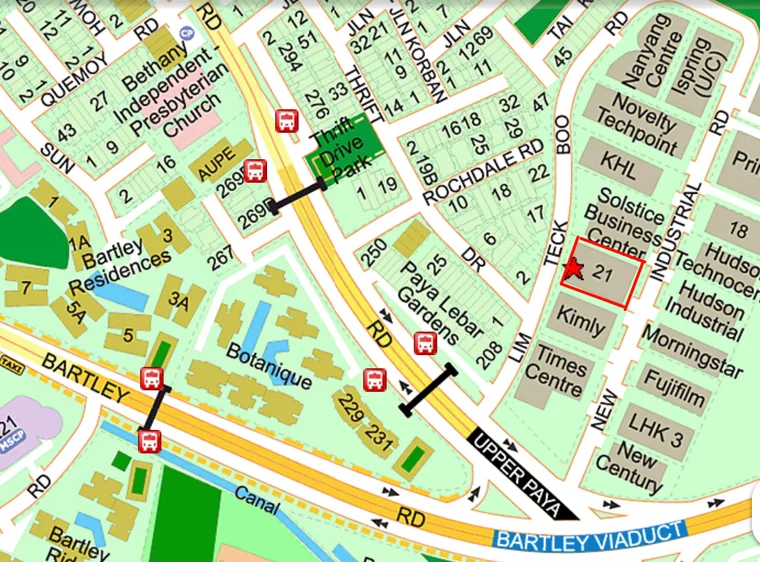
Third, consider how access and shared facilities affect move-in. Space Nova’s site plan notes shared facilities, and the project describes partial ramp-up access and the location’s connectivity to major roads. Those details can influence how quickly staff can start operations after handover, especially if your process involves goods movement or a certain pattern of daily traffic.
None of this replaces the need for formal contract terms. It just makes your planning less fragile when a date is communicated as “2028” or “expected” rather than as a guaranteed handover promise you can build a business model around.
Interpreting 2028 without overreacting: what is reasonable and what is not
Let’s be fair. Space Nova’s official site does not hide the timeline. It publishes a specific expected vacant possession / TOP date of 31 Dec 2028. It also provides multiple official pages and materials, including an e-brochure, floor plans, and a site plan. That transparency generally suggests the project is providing a baseline.
So what would be unreasonable?
It would be unreasonable to treat “completion 2028” as evidence that vacant possession will also land exactly at year-end, when one phrase is explicitly tied to a specific date and the other is tied to a general year.
It would also be unreasonable to ignore the “subject to final approved plans” language on items like attached toilets, especially if your operational schedule depends on those features being usable immediately.
What is reasonable?
It is reasonable to plan around the stricter statement, expected vacant possession / TOP = 31 Dec 2028, while acknowledging that other pages may phrase it more generally as completion 2028. In practice, you should ask the sales team to connect the dots between these statements in the documents you sign and the actual handover process you are purchasing into.
Where many buyers trip up: mixing “marketing range” and “decision-ready pricing”
Even though this article focuses on 2028 statements, the pricing context matters because it changes how quickly you can act.
Space Nova’s official pricing page publishes indicative pricing, but the visible ranges are partially masked. The page invites you to register for the brochure, price guide, and balance units. That suggests unit availability and pricing details are managed through the registered materials flow rather than fully exposed on the public page.
For timeline interpretation, why does that matter? Because buyers who focus only on website captions sometimes delay requesting the full package, then find themselves reviewing the final materials when decisions are already time-sensitive.
If you want to interpret 2028 confidently, align your timeline work with your document access. Use the viewing appointment booking and the e-brochure set that the official site provides, then request the project timeline language in the same wording you will encounter in the materials you receive through the official process.
You can be decisive without rushing. The difference is whether you have the right documents in front of you before you decide.
A quick reality check on Space Nova’s delivery environment
Some buyers forget that an industrial strata estate has multiple moving parts, even when the project is described in neat headlines.
From the official information, Space Nova is a 7-storey strata industrial estate with 47 units, on a site area of 36,257 sq ft. The site plan references 23 carpark lots and shared facilities. There is partial ramp-up access and access to the KPE and PIE, with proximity to Bartley and Tai Seng MRT. Those details indicate an estate designed for operational use, not just cosmetic finish.
That kind of build typically requires careful staging. Even if you have the project-level TOP expectation, each unit’s readiness for use depends on the final approved plan details and the finishing and commissioning that must be done to deliver the spaces as intended. That is why the “subject to final approved plans” phrasing appears on the official site, and why combining adjoining units is only possible with availability and approval.
You do not need to assume problems to take the language seriously. You just need to treat “2028” as a planning horizon that you should de-risk with document verification.
So how should you interpret the 2028 statements?
Here is the simplest, defensible interpretation using only what Space Nova’s official site states:
Space Nova publishes an expected vacant possession / TOP date of 31 Dec 2028. In addition, some pages describe completion as 2028. Therefore, you should treat “vacant possession / TOP” as the more precise target and “completion 2028” as a broader timeframe that may be summarized at the year level.
Then, because the official site also flags certain internal and configuration items as subject to final approved plans and approval, you should not treat the calendar year as a substitute for confirming what is locked in the e-brochure floor plans and technical specifications and what is still conditional in final approvals.
If you do that, you end up with a more realistic planning posture: confident enough to move forward, cautious enough to ask the right questions, and grounded in the official materials rather than the public-facing phrasing.
Final practical next step: book the viewing and request the timeline language in writing
Space Nova’s official site includes booking options for a viewing appointment and an e-brochure flow that covers floor plans, technical specifications, and connectivity and facilities information. Use that process as your bridge between marketing and decision-ready clarity.
When you book, bring your specific concern about the 2028 wording. Ask for the exact statement used for expected vacant possession / TOP and ask how it aligns with the “completion 2028” wording you see across the site pages. Good sales teams can align these phrases quickly when they are asked directly, because they have the same official project basis to work from.
If they cannot, that is the real information you should act on.